Mia Friedrich · 24 October 2026
Tracing Vocational Training Adaptations to Sustainability Sector Needs in Polish Technical Institutions
Polish technical institutions have expanded vocational training programs to align with growing demands in the sustainability sector, driven by national policies and European Union frameworks that emphasize green skills development across industries. Data from the Polish Ministry of Education and Science indicates that enrollment in programs focused on renewable energy systems and resource management rose by 18 percent between 2023 and 2025, reflecting coordinated efforts to integrate environmental competencies into curricula at both secondary and post-secondary levels. These changes build on established technical pathways in engineering and manufacturing, yet they now incorporate modules on circular economy principles, energy efficiency audits, and sustainable materials processing to prepare graduates for roles in emerging green markets.
Historical Shifts in Curriculum Design
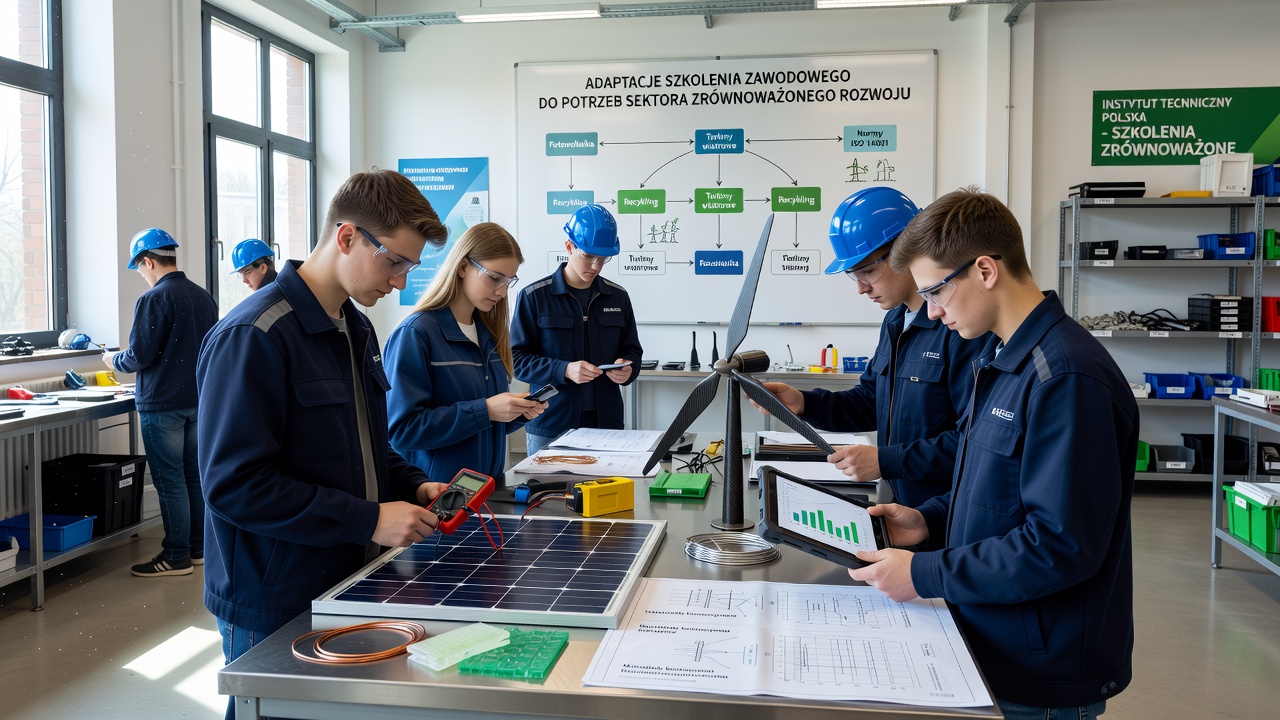
Technical schools across Poland traditionally emphasized industrial production and mechanical trades, but recent adaptations have introduced specialized tracks that address climate goals set under the European Green Deal. Observers note that institutions in regions like Silesia and Pomerania have revised course offerings since 2022 to include practical training in photovoltaic installation, waste-to-energy technologies, and low-emission transport systems. According to figures released by the Central Statistical Office of Poland, over 45 vocational centers now offer certifications in these areas, up from 29 in 2021, with partnerships formed alongside industry groups to ensure training matches actual workplace requirements. Researchers at the Warsaw University of Technology have documented how these updates incorporate project-based learning where students analyze real facility data for carbon reduction strategies, creating direct pathways from classroom exercises to employment in sustainability consulting firms.
Partnerships Driving Program Expansion
Collaboration between technical institutions and external organizations has accelerated the rollout of updated training modules. For instance, several polytechnics have joined initiatives supported by the European Centre for the Development of Vocational Training, which provides frameworks for skill recognition across member states. Data shows that joint programs launched in 2024 led to 2,300 new certifications in sustainable construction techniques by mid-2025. And institutions in Kraków and Łódź have established labs equipped for hands-on work with electric vehicle components and insulation materials that meet updated efficiency standards. Those who've examined enrollment trends point out that students completing these adapted programs report higher placement rates in sectors tied to national recovery funds allocated for green transitions. One case highlighted by academic reports involves a vocational academy in Poznań that partnered with regional energy providers to deliver apprenticeships focused on grid modernization, resulting in 85 percent of participants securing positions within six months of completion.
Regional Implementation Patterns
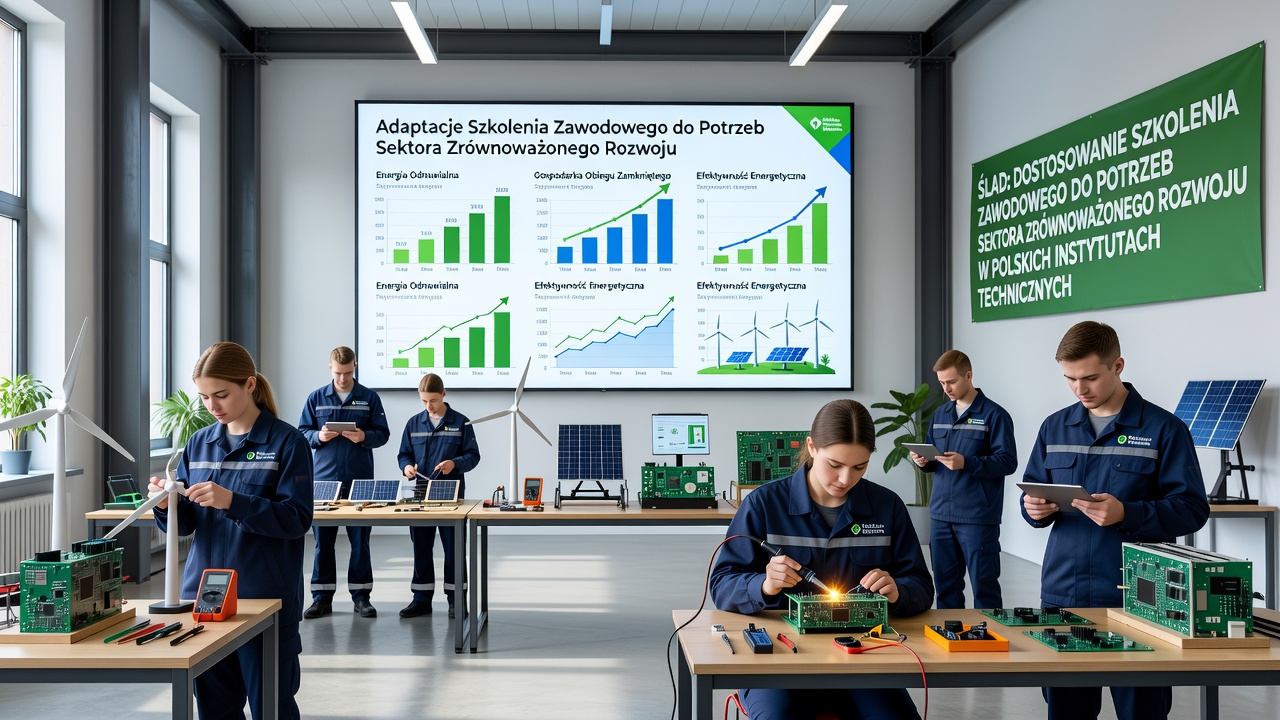
Variations appear across different parts of the country as institutions respond to local economic profiles. In northern coastal areas, training emphasizes offshore wind maintenance and marine resource management, while central regions prioritize agricultural sustainability and soil remediation techniques. Evidence from a 2025 OECD review of vocational systems in Europe reveals that Polish programs have incorporated digital tools for environmental monitoring at rates comparable to those in Germany and the Netherlands. This integration allows trainees to use simulation software for lifecycle assessments of products and processes. What's notable is how funding streams from the National Recovery and Resilience Plan have supported equipment upgrades, enabling schools to simulate real-world scenarios involving renewable integration into existing infrastructure. In October 2026 several institutions plan to unveil expanded certification pathways that incorporate updated EU taxonomy rules for sustainable investments, aligning training timelines with anticipated regulatory shifts in energy and manufacturing sectors.
Outcomes and Skill Acquisition Data
Tracking mechanisms introduced by the Polish Qualifications Framework show measurable gains in graduate competencies related to sustainability. Surveys conducted by the Educational Research Institute indicate that 72 percent of participants in adapted vocational tracks demonstrate proficiency in conducting environmental impact assessments, compared to 41 percent in traditional programs. These results stem from curriculum elements that combine theoretical instruction with fieldwork at operational sites, such as biomass facilities and urban green infrastructure projects. And connections to international benchmarks appear through participation in Erasmus+ mobility schemes, where Polish trainees exchange knowledge on best practices with counterparts in Scandinavian countries known for advanced waste management systems. The reality is that such exchanges have helped standardize assessment methods used to verify skill levels before certification.
Conclusion
Adaptations in Polish technical institutions continue to evolve as sustainability sector requirements expand, supported by data-driven curriculum revisions and cross-border collaborations that strengthen vocational pathways. Evidence from multiple sources underscores steady progress in aligning training with both national priorities and broader European objectives, positioning graduates to contribute to ongoing transitions in energy, manufacturing, and resource management. As new initiatives unfold in the coming years, monitoring mechanisms will remain essential for maintaining alignment between educational outputs and labor market demands in this field.